Azerbaijan Grand Prix 2026: Baku Circuit Guide & F1 Betting Strategy
Your complete Azerbaijan Grand Prix 2026 betting guide — Baku circuit breakdown, key markets, tyre strategy, and the value picks worth backing.

No circuit on the calendar punishes complacency quite like Baku. The Azerbaijan Grand Prix 2026 betting market will be shaped by one brutal truth: this street circuit has ended more championship campaigns than any team boss cares to admit. Safety cars, late-race punctures, walls that bite at 320 km/h — Baku doesn't just test drivers, it tests your nerve as a bettor too.
The 6.003-kilometre Circuit de la Ville de Baku combines the longest flat-out blast in Formula 1 — the run from Turn 16 to Turn 1 along the seafront — with a medieval castle section so narrow that two cars can barely pass at walking pace. That contrast is what makes this race uniquely difficult to handicap. Raw pace matters far less here than it does at Silverstone or Suzuka. Survival, tyre management, and cold-blooded opportunism matter far more.
The 2026 regulations — with their revised aerodynamic philosophy and the return of active aerodynamics — add another layer of intrigue. Teams are still mapping the performance cliff edges of these new cars. Baku will be a ruthless examiner.
Reading the Baku Circuit: Where Races Are Won and Lost
There are three DRS zones on the Baku layout, with the main straight offering an overtaking opportunity so long that even a modestly faster car can execute a move without needing the perfect exit from the final corner. That means starting position matters, but it doesn't determine everything. A driver who qualifies sixth here has a realistic route to the podium in a way that simply isn't true at Monaco.
The castle section — particularly the sequence around Turns 7 and 8, where the walls close to just 7.6 metres apart — is where championships are lost rather than won. It's a place where a fractional misjudgement under pressure, or a moment of wheel-to-wheel contact, ends your afternoon. Drivers who prioritise clean laps over heroics through that section consistently outperform their raw speed in the final classification.
Tyre behaviour at Baku is unlike anywhere else. The abrasive surface chews through rear tyres during the safety car restarts when drivers are deliberately scrubbing heat into the rubber with aggressive weaving. The medium compound typically offers the best race-day balance, but the temptation to start on softs and create an early gap before pitting — particularly if the Safety Car hasn't appeared — is a strategic trap that catches teams out repeatedly. Watch the opening stint tyre choices in practice as a genuine betting signal.
One contrarian point worth making: the safety car narrative is overplayed. Bettors reflexively assume Baku will produce chaos. Sometimes it doesn't. In cleaner races, the car with genuine one-lap pace and straight-line speed dominates, and the pre-qualifying favourite wins comfortably. Don't automatically reach for the long shots simply because Baku has a wild reputation.
Azerbaijan Grand Prix 2026 Betting Markets: Where the Value Actually Lives
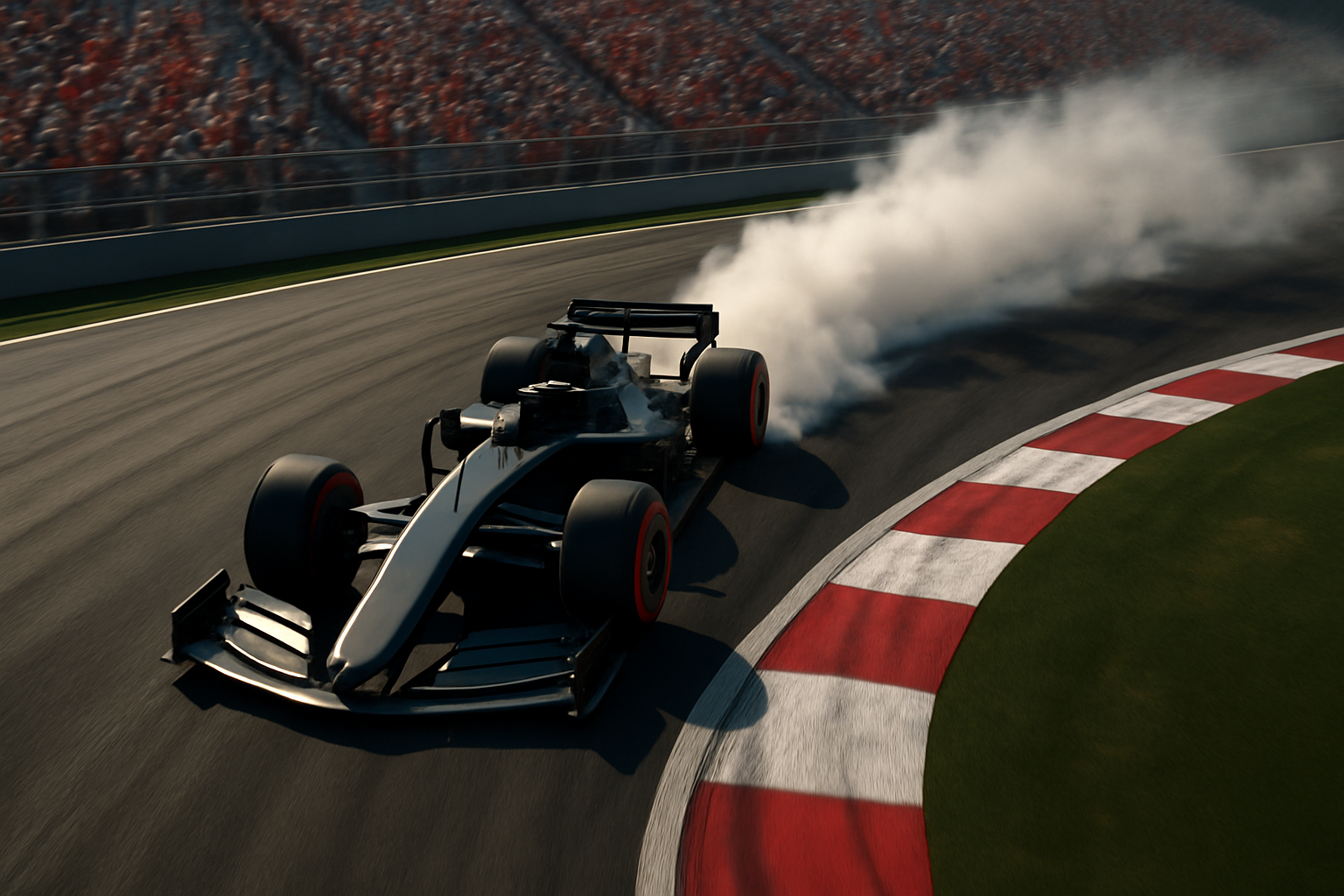
The race winner market pre-qualifying is a fool's game. Wait. Qualifying at Baku is decisive enough — given the difficulty of overtaking through the castle section — that grid position still carries significant weight despite those long DRS zones. Once qualifying is complete, the market shifts dramatically and the genuine value windows close fast. Get your research done beforehand so you can act immediately after Q3.
The podium finish market is where sharp bettors operate at Baku. The top three is far more volatile here than at conventional circuits. The statistical likelihood of at least one front-row starter failing to finish or being compromised by a safety car restart is high enough that backing a driver at, say, fifth or sixth in qualifying to land a podium at inflated odds makes structural sense. Identify the car with strong race pace but moderate qualifying performance — at Baku, that combination is golden.
The fastest lap market deserves attention. Teams targeting the bonus point will often leave a set of fresh softs for a late-race flyer. In 2026, with the new power unit regulations potentially reshuffling straight-line speed hierarchies, the fastest lap could fall to a surprising constructor. Any team that suspects they won't challenge for the win but has strong top-speed numbers will target this market aggressively. Check the best F1 betting sites for fastest lap specials — the prices are often softer than they should be.
Head-to-head driver markets are reliable earners at Baku when you have a strong read on mechanical reliability. If one team has shown fragility in race conditions during the early flyaway rounds, backing their more consistent driver in a teammate head-to-head — at minimal odds — is a low-risk way to build a Baku betting portfolio. The margin for error at this circuit means one DNF is not a shock; it's a probability.
Constructor points markets are worth a look if one of the midfield teams has shown genuine step-change pace at street circuits specifically. Baku, Monaco, and Singapore share characteristics — low-speed traction, high-downforce setups, sensitivity to ride height over bumps — and teams that have optimised for that package can punch well above their weight here while falling back to the midfield at conventional venues.
The 2026 Regulation Factor: New Cars, New Uncertainties
The 2026 technical regulations represent the most significant overhaul since 2022. Active aerodynamics — the manual override deployment system — creates a new strategic variable on the Baku straight that teams are still calibrating. A driver who is quick to adapt to the deployment trigger points will gain meaningfully in the braking zone for Turn 1. Those who haven't nailed it will be sitting ducks.
The new power unit regulations, with their dramatically increased electrical deployment, mean Baku's main straight could produce top speeds not seen in the modern era. That changes the overtaking calculus. It also means rear tyre deg profiles may differ significantly from the pre-2026 data teams have been leaning on. Expect lap one positioning to be even more aggressive than usual as drivers test the boundaries of what these cars can do wheel-to-wheel.
For betting purposes, the safest assumption is that the first Azerbaijan Grand Prix under these regulations will produce at least one unexpected result from a team whose new-spec car happens to suit Baku's demands particularly well. Don't over-anchor to the season championship standings when building your Baku selections. Follow the F1 2026 season hub for the latest technical updates as the weekend approaches.
The Practical Betting Plan for Baku Weekend
Structure your Baku betting across three phases. Before qualifying, place any outright win bets on genuinely strong value at longer odds — drivers who historically perform at street circuits and whose 2026 machinery looks competitive in a straight line. After qualifying, attack the podium finish and head-to-head markets where prices haven't fully adjusted to grid positions. During the race, if you have access to live markets, the safety car deployment period is your single best entry point — prices distort sharply and briefly, and a composed read of tyre age and pit cycle position can identify the real race leader before the market catches up.
Baku rewards patience and specificity. Vague bets on "chaos" don't pay. Precise reads on tyre strategy, straight-line performance, and driver temperament under pressure — that's what cashes at this circuit, every single time.
Follow the 2026 Formula 1 season
Race calendars, qualifying results, championship standings and F1 betting tips — all in one place.
View Formula 1 HubRelated Articles
This article is for informational purposes only and does not constitute financial or betting advice. Always gamble responsibly. 18+ only. BeGambleAware.org