Hungary Grand Prix 2026: Hungaroring Overtaking & Betting Strategy
Your Hungary Grand Prix 2026 betting strategy guide — DRS zones, tyre tactics, and the markets worth backing at the Hungaroring.

The Hungaroring is one of the most deceptive circuits on the Formula 1 calendar. On paper, it looks tight and twisty — a place where overtaking is supposedly impossible. In practice, it rewards the driver who gets pole position almost as reliably as Monaco, yet somehow still manages to produce genuinely chaotic races. If your Hungary Grand Prix 2026 betting strategy begins and ends with "back the pole-sitter," you're leaving serious value on the table.
Budapest in July bakes. Tyre degradation swings wildly depending on how hard drivers push through the long, sweeping Turn 4 and the relentless second sector. A medium-hard strategy can unravel entirely if a safety car reshuffles the pit windows. The 2026 regulations — with their revised aerodynamic philosophy and new power unit era — add another layer of unpredictability to a venue that was already a strategic minefield.
The betting angles here are real, specific, and worth building a structured approach around. Here's how to do it properly.
Why the Hungaroring Is Not Actually a Street Circuit (And Why That Matters for Betting)
The lazy take is that Hungary is "Monaco without the barriers." It isn't. The Hungaroring has a proper DRS detection point before Turn 1, a second DRS zone down to Turn 2, and — crucially — the run from Turn 14 onto the back straight where cars can follow closely enough to manufacture a legitimate overtake. Drivers with strong straight-line speed under the 2026 power unit regulations will have a genuine weapon here, particularly if the new hybrid deployment rules create differentiated speed deltas on that run to Turn 1.
What the circuit does share with Monaco is that qualifying position is enormously powerful. Since 2012, the pole-sitter has converted to a race win at a rate no other dry circuit comes close to matching. But — and this is the contrarian point most bettors ignore — the second and third rows have also produced a disproportionate number of winners when strategy plays out differently. The value in the race winner market is rarely on pole. It's on P3 or P4 qualifiers who can run an alternative tyre strategy and undercut their way to the front.
The Tyre Compounds and Undercut Window at the Hungaroring
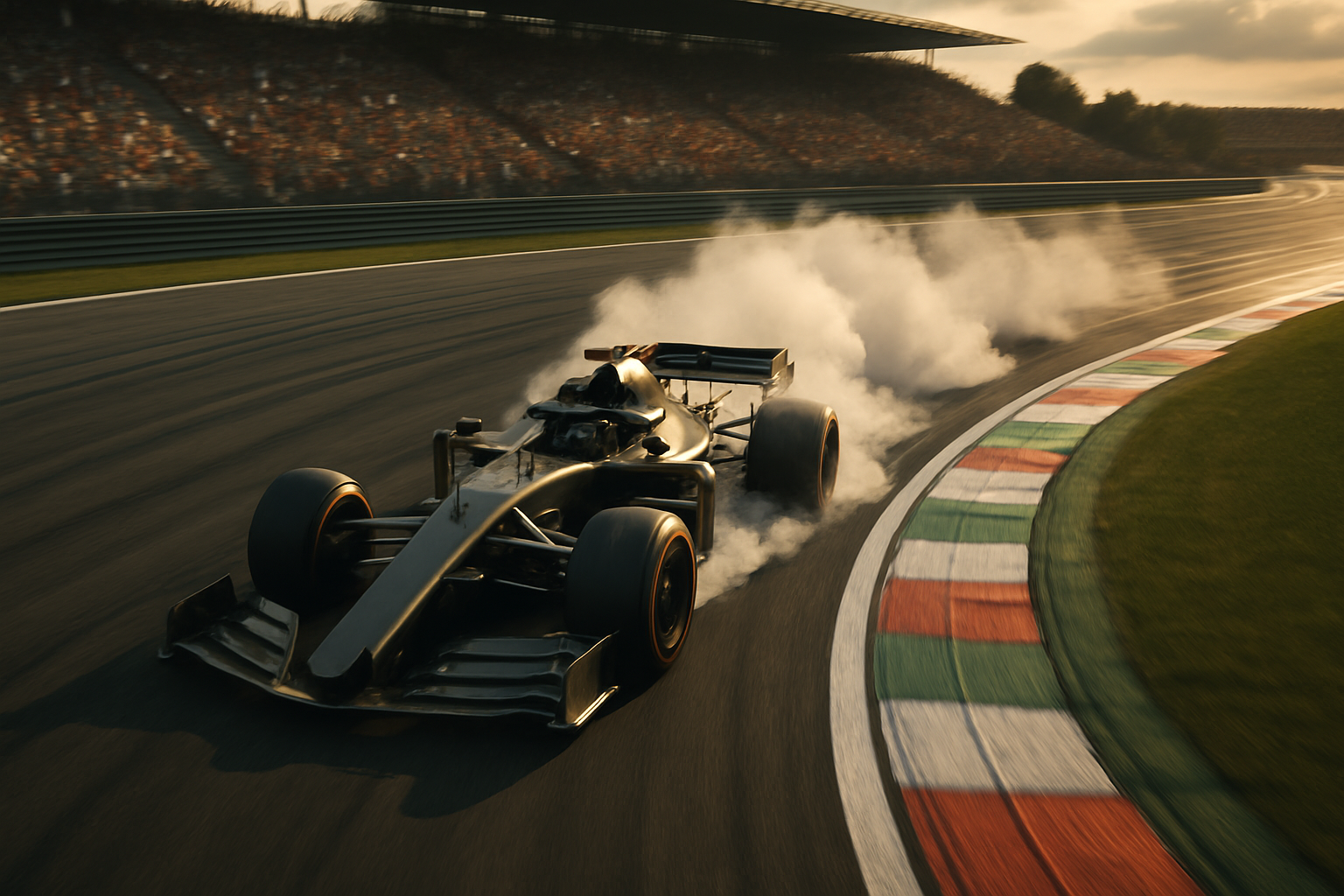
Pirelli typically brings the C3, C4, and C5 compounds to Budapest — soft, medium, and hard in their nomenclature for the weekend. The C5 soft is spectacular in qualifying and borderline useless across a race stint longer than 18 laps in 30-degree heat. That creates a genuine two-stop temptation for the teams sitting in positions four through eight after the first stint.
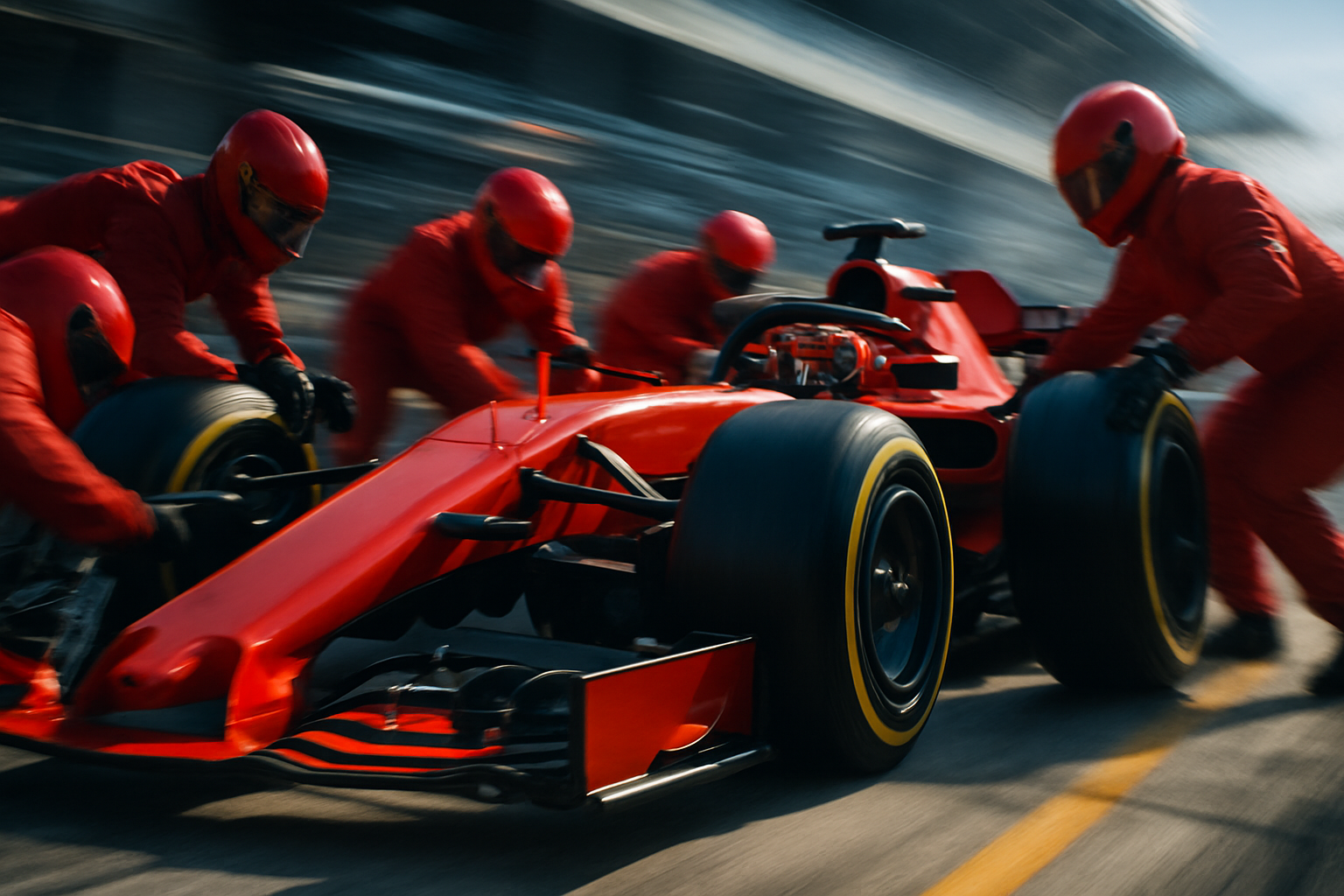
The undercut at the Hungaroring is potent. The pit lane delta is relatively short, tyre warm-up on a fresh compound is quick through the twisty first sector, and if you go one lap before your rival, you can emerge ahead of them even with a six-second on-track gap. Teams know this — which means the opposite play, the overcut, occasionally catches everybody off guard. A driver who extends on the medium compound to lap 32 or 33 while rivals pit between laps 26 and 30 can find clean air, manage their tyres, and come out ahead on net time.
For betting purposes, the fastest lap market is worth noting here. The team that pits last, or pits a second time in the final ten laps to fit a fresh soft, almost always takes the bonus point. If your fancied driver is running in the top three but not leading, there's a live fastest lap play available that most bettors overlook entirely.
Race Winner Market: Where the Value Actually Lives in 2026
Betting on the race winner market pre-qualifying is a fool's game. The Hungaroring amplifies whatever qualifying hierarchy exists on a given weekend — if a constructor has nailed the 2026 car concept and is dominant in medium-speed corners, they will be even more dominant here than at a power-sensitive circuit like Monza or Spa. Wait for qualifying. Then act.
The specific bet worth considering: if the pole-sitter qualifies from a constructor that has shown strong race pace but vulnerable tyre management in 2026, the P3 qualifier from a team with historically superior Pirelli management — think of how Red Bull used to control degradation, or how Ferrari's 2022 car was devastatingly fast in race trim at Hungary — becomes a credible alternative at materially longer odds.
The head-to-head driver market is the most reliable edge at this circuit. Budapest tends to expose teammates ruthlessly. One driver gets the strategy call, the other doesn't. One gets the free undercut, the other is stuck behind traffic. If you have a clear view on which driver within a top-four constructor is the stronger strategic beneficiary — based on team hierarchy signals from the first half of the 2026 season — the head-to-head market offers odds that frequently underestimate that edge. Check the best F1 betting sites for the most competitive head-to-head pricing before the weekend.
Safety Car Probability and How It Reshapes the Market

Hungary has a moderate-to-high safety car probability. The pit lane entry is narrow, there's a tight section from Turn 11 to Turn 13 where contact happens, and the first-lap concertina effect into Turn 1 regularly claims a victim. A safety car before lap 25 is the scenario that completely demolishes a pre-race betting strategy built around tyre deltas.
When a safety car falls early, the advantage shifts dramatically to whichever constructor can make the fastest decision in the pit wall. In 2026, with the new pit-lane speed limit protocols under review by the FIA, there may also be variance in how teams execute the pit entry under SC conditions. The betting play under a virtual or full safety car scenario is to have a live-betting position ready on a driver who was sitting outside the top five pre-SC but who pits immediately and emerges in clean air. That driver, on fresh rubber with fifteen laps remaining, is almost always overpriced in the live market during the chaos of a safety car bunching.
Constructor Points Market — The Underrated Angle
Hungary is one of the few circuits where the constructor points market — specifically which constructor scores more points than another — becomes a genuinely interesting proposition. The compact nature of the Hungaroring means both cars from a team tend to run in close proximity throughout the race. If one team has a clear edge in slow-corner mechanical grip under the 2026 regulations, both their drivers will likely be competitive, making the "constructor to outscore rivals" market relatively predictable.
Identify which constructor has been strongest in the slow-to-medium speed ranges across the first half of 2026, then check the F1 2026 season hub for updated championship standings and race pace data. The constructor that dominates the technical sector at Suzuka and Zandvoort will arrive in Budapest with genuine structural advantages — and the odds in that market won't always reflect it.
The practical takeaway is this: build your Hungary betting approach in two phases. Before qualifying, focus on constructor form and tyre management data from 2026. After qualifying, act decisively on the head-to-head and race winner markets where the grid order reveals the strategic opportunity. The Hungaroring punishes passive betting just as ruthlessly as it punishes passive driving.
Follow the 2026 Formula 1 season
Race calendars, qualifying results, championship standings and F1 betting tips — all in one place.
View Formula 1 HubRelated Articles
This article is for informational purposes only and does not constitute financial or betting advice. Always gamble responsibly. 18+ only. BeGambleAware.org