Hungary Grand Prix 2026 Betting Guide: Hungaroring Circuit Strategy
Your Hungary Grand Prix 2026 betting tips guide — circuit strategy, tyre calls, market angles, and top picks for the Hungaroring.

The Hungaroring is the circuit that exposes every weakness a car carries into the summer. Narrow, twisty, almost devoid of meaningful straights — it is the last place on the calendar where raw power saves you. If your Hungary Grand Prix 2026 betting tips aren't built around downforce levels, tyre management, and qualifying position, you're already behind.
Budapest in late July typically bakes. Track temperatures regularly breach 50°C, which turns tyre degradation from a factor into the factor. The C3, C4, and C5 Pirelli compounds — the softer end of the range — get selected here precisely because of the low-speed, high-lateral-load nature of the lap. That sounds routine. What it actually means is that any constructor running aggressive front-end geometry to chase lap time will burn through the front-left on a long stint and lose five seconds in the final ten laps. Back the car with the consistent tyre, not the fast car.
Strategy calls at the Hungaroring are deceptively complex. The track is famously difficult to overtake on — there is a single DRS zone on the start-finish straight, and it is rarely decisive — so track position after the pit stops matters enormously. Teams that nail the undercut window, typically around laps 18–22 in a standard 70-lap race, can hold position even with a marginally slower car. This circuit rewards the bold pit wall call, not the reactive one.
Why the Hungaroring Punishes the Wrong Cars in 2026
The 2026 regulation cycle brings dramatically reduced rear downforce relative to 2025-spec cars, combined with the new active aerodynamic systems. At high-speed circuits, that trade-off is manageable. At Budapest, it is a problem for anyone who hasn't found mechanical grip to compensate. The Hungaroring's 14 corners — with an average speed considerably lower than any other round on the calendar — demand a car that's planted through slow-speed direction changes, not one relying on aerodynamic load that simply isn't there at 100 km/h.
Watch the pre-event practice lap times through the tight sector two complex closely. A car that's quick through turns 6 to 11 on Friday will be quick on Sunday. A car that lights up the speed trap but is ragged in the medium-speed corners will struggle to string a race together when the tyres go off. The 2026 field is still establishing its pecking order through the season, so form heading into Budapest will be critical — check the F1 2026 season hub for updated standings and momentum data before placing anything.
Hungary Grand Prix 2026 Betting Tips: The Markets Worth Your Money
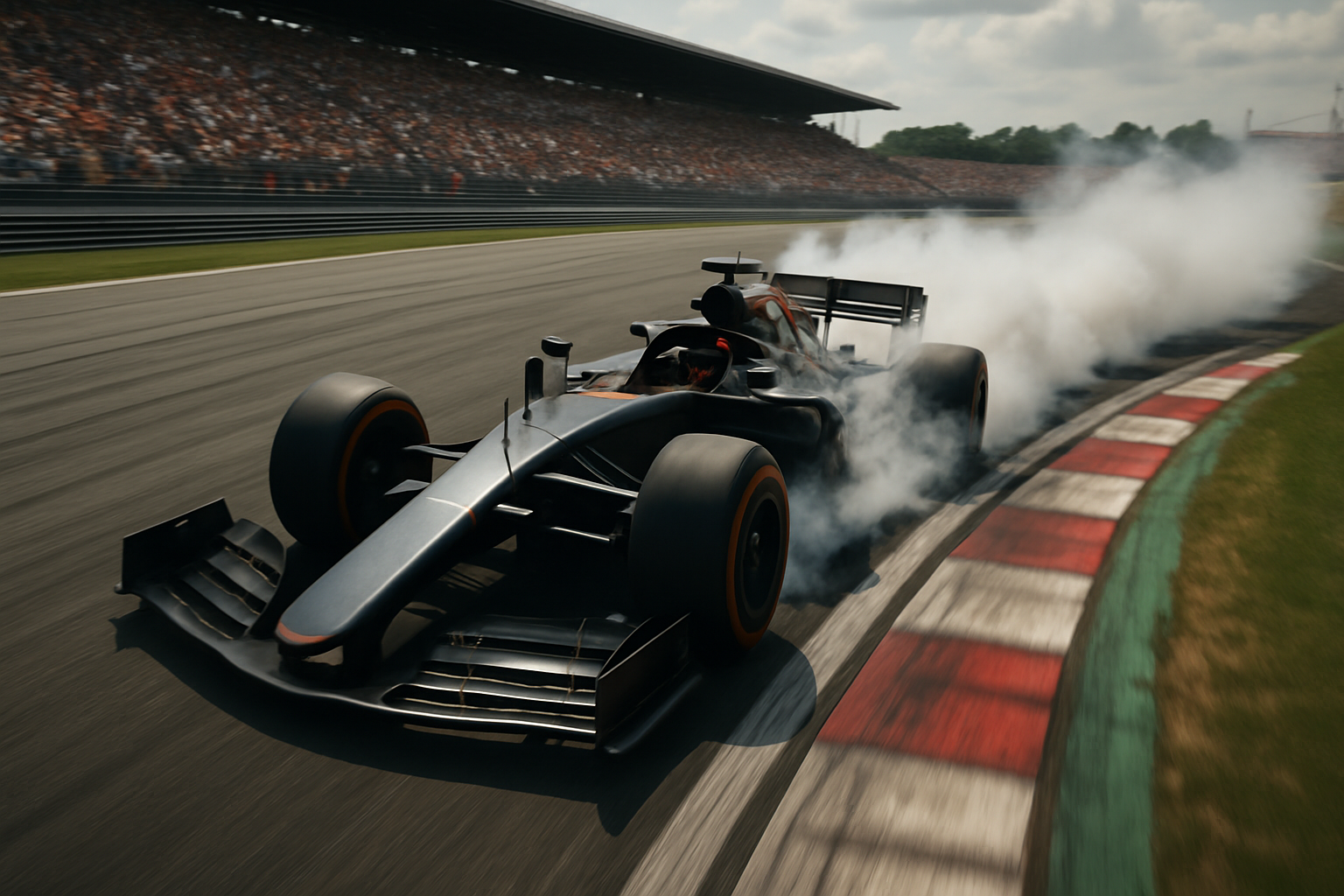
Betting on the race winner market pre-qualifying at Hungary is a fool's game. The Hungaroring is the most pole-position-dependent circuit on the calendar — the driver who qualifies first has historically converted at an extraordinary rate. Wait for Saturday evening. Once the grid is set, the race winner market becomes significantly more readable than at a circuit where overtaking is routine.
The markets that offer genuine value before qualifying:
- Podium finish: The top three often come from the top four qualifiers. Backing two drivers from the front two rows each-way gives you margin for a safety car scramble.
- Fastest lap: This is almost always set in the final laps on a fresh soft tyre. Back a driver who starts outside the top ten — they have nothing to lose from a late pit stop — not the race leader nursing tyres to the flag.
- Constructor to score most points: If one team has a clear pace advantage in slow-speed corners through the season, both cars will finish in the points. The 1-2 is live at Hungary in a way it isn't at Silverstone or Spa.
- Head-to-head driver markets: These are where the sharpest edges exist. Team-mate matchups at Hungary often hinge entirely on qualifying — the driver who out-qualifies the other almost always finishes ahead, given the overtaking difficulty.
One contrarian angle worth considering: don't automatically dismiss a driver starting fifth or sixth. At most circuits, P5 is no-man's land. At Budapest, it's within undercut range of the podium. A two-stop strategy — going soft-medium-soft rather than the conventional two-stop medium-hard structure — can unlock significant time in the second half of the race if track temperatures drop into the evening window. A driver bold enough to run that strategy from P5 can absolutely steal a podium.
The Safety Car and Weather Variables
Budapest doesn't produce safety cars at the same rate as Monaco or Singapore, but when it does, the race resets completely. The narrow pit lane entry and the bottleneck at turn one after a restart create genuine chaos. Any bet on race winner should factor in a rough one-in-four chance of a safety car appearance — it's not routine, but it's frequent enough to price in.
Late afternoon thunderstorms are not unusual in Hungary in late July. An intermediate tyre call from the pit wall here is terrifying for strategy crews — the circuit has very few escape roads and the kerbs become treacherous immediately in wet conditions. If rain is forecast from around lap 40 onwards, live betting on a driver sitting outside the top five at mid-race distance becomes interesting. The circuit reshuffles violently in mixed conditions and the driver who reads the transition fastest — committing to intermediates a lap before the pit lane queue forms — gains enormous track position.
Qualifying Strategy and Its Downstream Betting Impact
Q3 at the Hungaroring is where tyre tactics play out in public. Teams have to declare their Q2 tyre — the compound they must start the race on — and at Budapest this shapes the entire first stint. A driver who makes it through Q2 on the medium tyre has a significant strategic advantage over one on the soft: their first stint is longer, they can offset on the undercut, and they control more of the race. Watch Q2 as carefully as Q3 when setting your bets for Sunday.
If a title contender drops to Q2 elimination through a traffic incident or mechanical issue, the race winner market shifts sharply. That driver — now starting P11 — faces 69 laps of grinding through a circuit where overtaking requires either a significant pace advantage or strategic intervention. It's not impossible; it's just very unlikely. Don't back the big price unless the car genuinely has a two-to-three second per lap pace advantage over the midfield. The Hungaroring doesn't gift positions.
Where to Bet on the Hungary Grand Prix 2026
Margin management matters at a circuit where the race winner market can shorten dramatically between Thursday and Saturday evening. Using multiple accounts across the best F1 betting sites gives you access to price differences that are often significant — particularly in the podium and fastest lap markets, where bookmakers price inconsistently. Shop the odds on Saturday night after qualifying. That is the single best piece of practical advice for this race.
The Hungaroring rewards patience — from drivers, strategists, and bettors alike. Don't rush the market. Let qualifying tell you what the race will look like, then act with conviction on the positions that genuinely offer value. The circuit is too constrained for chaos to bail out a poorly reasoned bet.
Follow the 2026 Formula 1 season
Race calendars, qualifying results, championship standings and F1 betting tips — all in one place.
View Formula 1 HubRelated Articles
This article is for informational purposes only and does not constitute financial or betting advice. Always gamble responsibly. 18+ only. BeGambleAware.org