USA Grand Prix 2026: Austin Circuit Guide & F1 Betting Strategy
Your USA Grand Prix 2026 betting strategy guide — circuit analysis, tyre picks, market angles, and the bets worth placing at COTA.

COTA separates the pretenders from the genuine all-rounders faster than almost any other venue on the calendar. The Circuit of the Americas demands mechanical grip through its famous Sector 1 complex, raw top-end speed on the back straight, and tyre management discipline that punishes any team running an aggressive setup. If your USA Grand Prix 2026 betting strategy isn't built around those three pillars, you're already behind.
Austin has a habit of producing races that look processional until they absolutely don't. The undercut window between Turns 11 and 12 is real, the Safety Car probability at a circuit this aggressive is consistently high, and the two DRS zones — on the main straight and after Turn 11 — keep the race winner market honest well into the final stint. These aren't background details. They're the variables that decide whether your pre-race bet lands or dies in the pits.
The 2026 regulation cycle throws an extra layer of intrigue over the whole weekend. Revised aerodynamic rules and a new hybrid architecture mean the pecking order at COTA won't simply mirror whatever we saw at Silverstone or Suzuka. Teams that built their cars around mechanical load rather than pure downforce efficiency will thrive here. That changes the value in the markets significantly.
COTA Circuit Characteristics You Actually Need to Know
Turn 1 at COTA is the most dramatic braking zone in North America — a blind crest followed by a sharp right-hander that demands genuine confidence in front-end bite. Cars that qualify well on low-fuel runs but struggle with high-fuel handling get found out immediately in race trim here. Watch qualifying gap versus race pace data from Friday long runs. They'll tell you more than the grid position itself.
Sector 2 — the flowing, Maggotts-esque sweepers through the middle of the lap — rewards aerodynamic stability and driver commitment. This is where the 2026 machinery will look genuinely spectacular, and also where setup compromises will cost tenths per lap across a full race distance. Teams chasing straight-line speed by trimming downforce will bleed time here continuously.
Tyre behaviour is central to everything. The long right-hand loop at Turn 9 generates sustained lateral load that degrades the left-front aggressively. Pirelli typically nominates a medium-to-hard range for Austin, and the winning strategy usually involves protecting that left-front — either through a one-stop with careful management, or an aggressive two-stop that exploits undercut positioning on the second stint. The gap between those two approaches is where race bets are won or lost.
USA Grand Prix 2026 Betting Strategy: Where the Value Lives
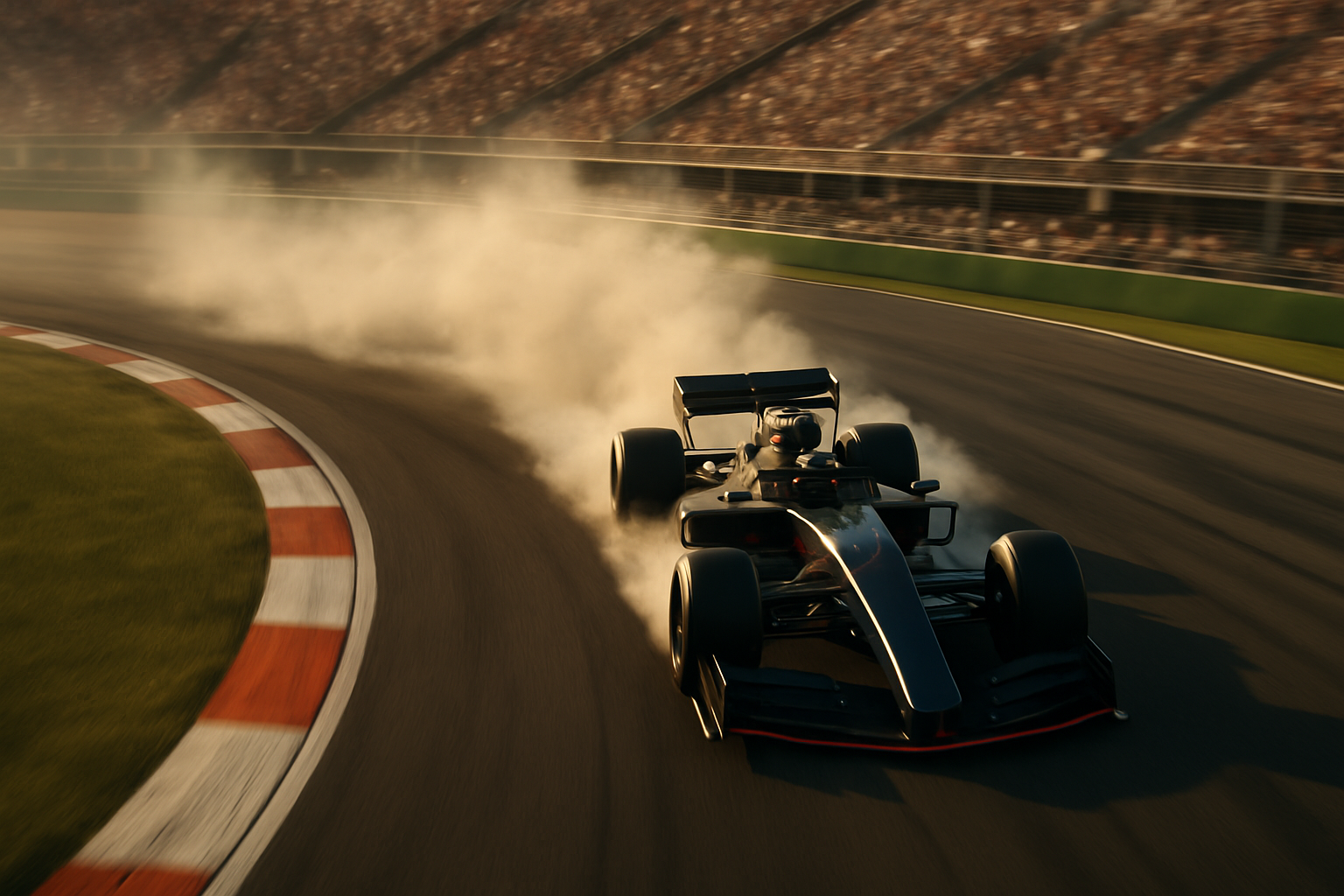
Betting on the race winner market before qualifying is a fool's game at COTA. Grid position matters enormously — Turn 1 overtaking is possible but costly on tyres — so wait for Saturday evening prices before committing serious stakes to the winner market. The shift from pre-qualifying to post-qualifying odds on a driver who buries it on pole can be dramatic, and that movement won't wait for you.
The fastest lap market is genuinely underexploited at Austin. Teams with strong long-run pace often sacrifice a final-lap tyre gamble for the extra Championship point, and the circuit rewards late-stint soft compound pace particularly well. Any constructor sitting fourth or fifth in the Constructors' Championship with a point to gain will almost certainly deploy this tactic. Track that in the paddock news before the formation lap.
Head-to-head driver markets deserve serious attention here. COTA has historically separated teammates more sharply than most venues — the qualifying lap requires a specific kind of mechanical confidence that not all drivers in a pairing share equally. If one half of a pairing has a stronger record on the hard-braking, technical layout while the other excels at smoother, flow circuits like Bahrain or Hungary, the head-to-head price often undersells that edge. Price it yourself before taking what the bookmaker offers. The best F1 betting sites will run these markets all weekend, so you have time to be selective.
Constructor podium markets — specifically betting on a team to place at least one car on the podium — represent solid value when the midfield is genuinely compressed. At Austin under the 2026 regulations, if any constructor has cracked the mechanical grip puzzle better than the rest, a podium finish price can be shorter than the race winner price implies, particularly when you're not betting on which driver gets there.
The Contrarian Case: Don't Default to the Traction Kings
Every pre-race preview tells you COTA favours high-downforce, mechanically-grippy cars. That's true in qualifying. In the race, it's more nuanced. The two long straights — 1.2km on the main straight, and the run to Turn 12 — mean that a car with a strong power unit and low drag coefficient can live comfortably with a theoretically superior downforce package if the DRS is open. Under 2026's revised hybrid rules, power unit deployment strategy through those sections could be decisive. Don't reflexively back the team that set the pace in Sector 1. Check who's been quick in Sector 3 too.
The Safety Car angle also cuts against the pre-race favourite more often than not. COTA produces incidents — gravel traps collect stranded cars, Turn 1 contact is a staple of the opening lap — and a well-timed Virtual Safety Car can compress a 15-second lead to nothing. If the outright favourite is priced at odds-on, the Safety Car probability alone justifies hedging with a podium finish or top-six market on a rival.
Sprint Weekend or Standard Format?
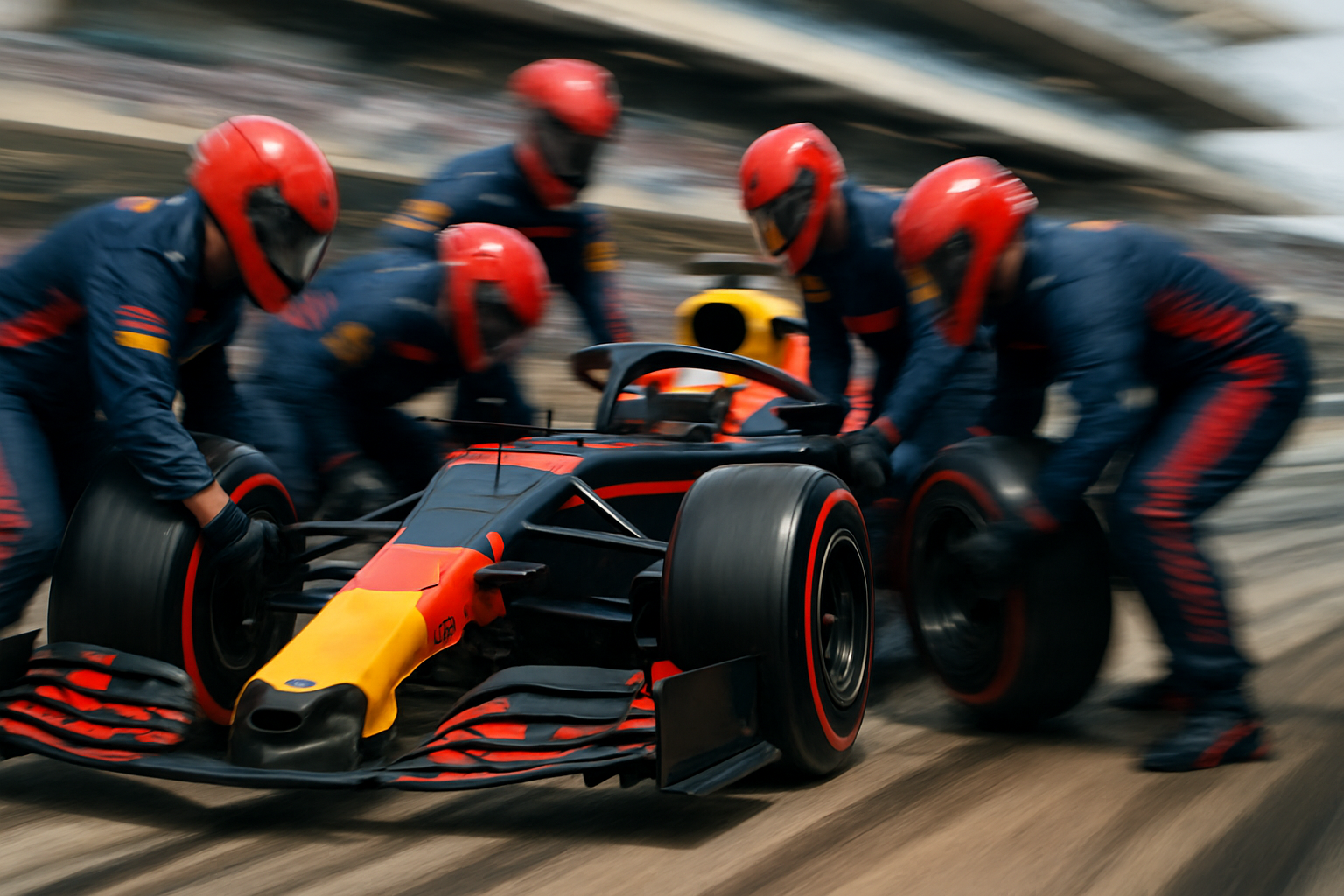
Austin has hosted Sprint weekends in recent seasons, and if the 2026 calendar repeats that format, the betting structure shifts entirely. Sprint Shootout results give you an additional data point on single-lap pace before you commit to Sunday's race winner market — essentially a free intelligence update that most recreational bettors ignore. If it's a Sprint weekend, hold your race winner stake until after Saturday's Sprint race. Tyre behaviour data from 17 competitive laps is worth more than any practice session analysis.
Whether Sprint or standard, the Friday evening long-run data is non-negotiable for serious betting. Lap delta between medium and hard compounds across Runs 3 and 4 of FP2 tells you which teams have a credible one-stop strategy and which are quietly managing a problem. That information is public — telemetry analysts post it within an hour of session end — and it consistently moves the race winner market before the bookmakers adjust. Get there first. The F1 2026 season hub will carry session analysis throughout the COTA weekend to help you stay ahead of those moves.
The Bet Worth Placing at Austin
Austin rewards calculated aggression over passive watching. Lock in nothing before Friday night. Use long-run data to identify which car is genuinely quick on high fuel. Check the Sprint result if applicable. Then — and only then — hit the race winner market at the best available price, cross-referenced against head-to-head markets that may still carry yesterday's assumptions.
One concrete principle: if the pole-sitter is also the driver with the strongest left-front management record and their team has historically executed the undercut well at this circuit, their race winner price shortens on Sunday morning. Back them Saturday night. That edge closes fast once the paddock wakes up.
Follow the 2026 Formula 1 season
Race calendars, qualifying results, championship standings and F1 betting tips — all in one place.
View Formula 1 HubRelated Articles
This article is for informational purposes only and does not constitute financial or betting advice. Always gamble responsibly. 18+ only. BeGambleAware.org