Las Vegas Grand Prix 2026: Street Circuit Betting Strategy
Your complete Las Vegas F1 betting strategy for 2026 — circuit traits, market timing, value picks, and the bets sharp punters should be placing.

Las Vegas is the only street circuit on the calendar that genuinely terrifies tyre engineers. The abrasive tarmac on the Strip — laid fresh but already notorious for its unpredictable thermal behaviour under the Nevada night sky — punishes any team that misjudges compound selection. If your Las Vegas F1 betting strategy doesn't account for that, you're already behind before a single wheel has turned.
The 2026 Las Vegas Grand Prix takes place in November, under floodlights, with track temperatures that can swing dramatically across a three-hour race window. That swing isn't a minor variable — it's the defining factor that separates a clean one-stop from a chaotic two-stop, and it's the kind of edge that sharp bettors can exploit while the casual money piles onto the pre-race favourite.
The circuit itself is long, fast, and deceptively simple. Three DRS zones mean overtaking is more than theoretical — it's a genuine weapon. But the real action happens in the Turns 14–16 complex, where traction out of the final chicane loads the rear tyres hardest and where safety cars, when they come, tend to completely reshape the strategic narrative.
Why the Race Winner Market Rewards Patience
Betting on the race winner market pre-qualifying in Las Vegas is a fool's game. The long straights, particularly the Koval Lane blast that feeds into the main Strip section, mean pole position is valuable — but not dominant in the way that Monaco or Bahrain reward a grid slot. Drivers who qualify fourth or fifth but carry superior race pace can and do win here.
Wait for qualifying to conclude before committing race winner money. Once the grid is set, the market will shorten aggressively around the pole-sitter, and that's often where the value leaks out. The driver starting third or fourth from a team with a proven undercut window — typically anyone capable of executing a sub-22-second pit stop — represents far better risk-adjusted value than simply backing the front-row lock-out.
The 2026 regulations, with their revised ground-effect floors and the return of wider front wings, have tightened the midfield gap but also created more tyre-sensitive cars across the board. That means degradation variance is higher, and high-degradation races in Las Vegas tend to produce at least one unexpected podium finisher from outside the top three qualifiers.
The Safety Car Factor — and How to Bet Around It
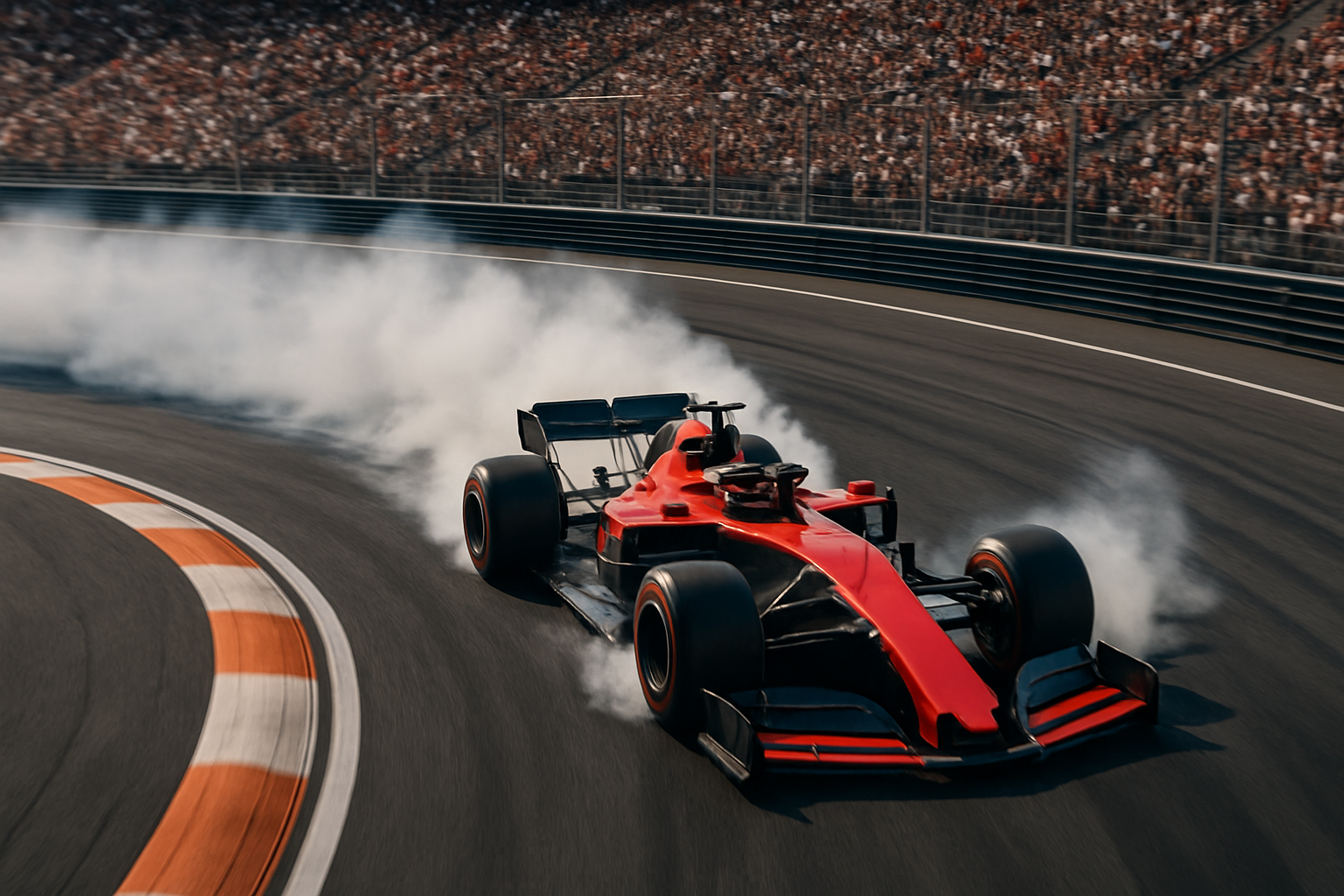
Las Vegas has a higher-than-average safety car probability compared to purpose-built circuits. Temporary street circuits, even well-prepared ones, carry kerb debris risk, and the wall proximity through the Casino section catches drivers out. Over recent editions of this race, a virtual or full safety car has appeared in the majority of running — treat it as a near-certainty for your strategic modelling, not a possibility.
This matters enormously for the podium finish market. A driver running sixth on lap 35 who boxes under safety car can emerge third with fresh mediums and a clear track. Backing two or three drivers for podium finishes rather than concentrating all your stake on one race winner is a smarter use of your bankroll at Las Vegas specifically. The best F1 betting sites will offer podium markets each-way — use them.
Head-to-head driver markets are where the safety car argument flips. In these matchups, safety car chaos tends to level individual car pace advantages, making the result more about reaction to the pit wall's call than raw speed. Back the driver in the pairing who has the stronger track record of executing the undercut — that instinct for the early box is worth more in Las Vegas than a tenth of qualifying pace.
Tyre Compound Strategy: Where the Real Betting Edge Lives
Pirelli typically nominates the C3, C4, and C5 compounds for Las Vegas — the soft end of the range — because the smooth sections of the Strip don't generate the mechanical grip that harder compounds need to come alive. The C5 in qualifying is spectacular but fragile in race conditions when temperatures drop post-midnight.
Teams starting on the medium C4 from the cleaner side of the grid have historically managed their first stint longer, undercutting soft-starters who are already managing degradation by lap 12. If you see a constructor known for strong tyre management — a team that regularly extends stint lengths relative to the field — qualify in positions four through eight on mediums, their race winner odds are worth serious consideration even at moderate prices.
Fastest lap is a low-cost, high-value bet in Las Vegas. The long straight complex makes it a realistic target for any driver who pits for fresh softs in the final five laps, and the market is often poorly priced because bookmakers anchor it to race position rather than tyre availability. A driver running fifth with one stop completed and soft tyres in reserve is a genuine fastest lap threat regardless of where they're classified when the race leader takes the chequered flag.
Constructor Markets: The Underdog Case
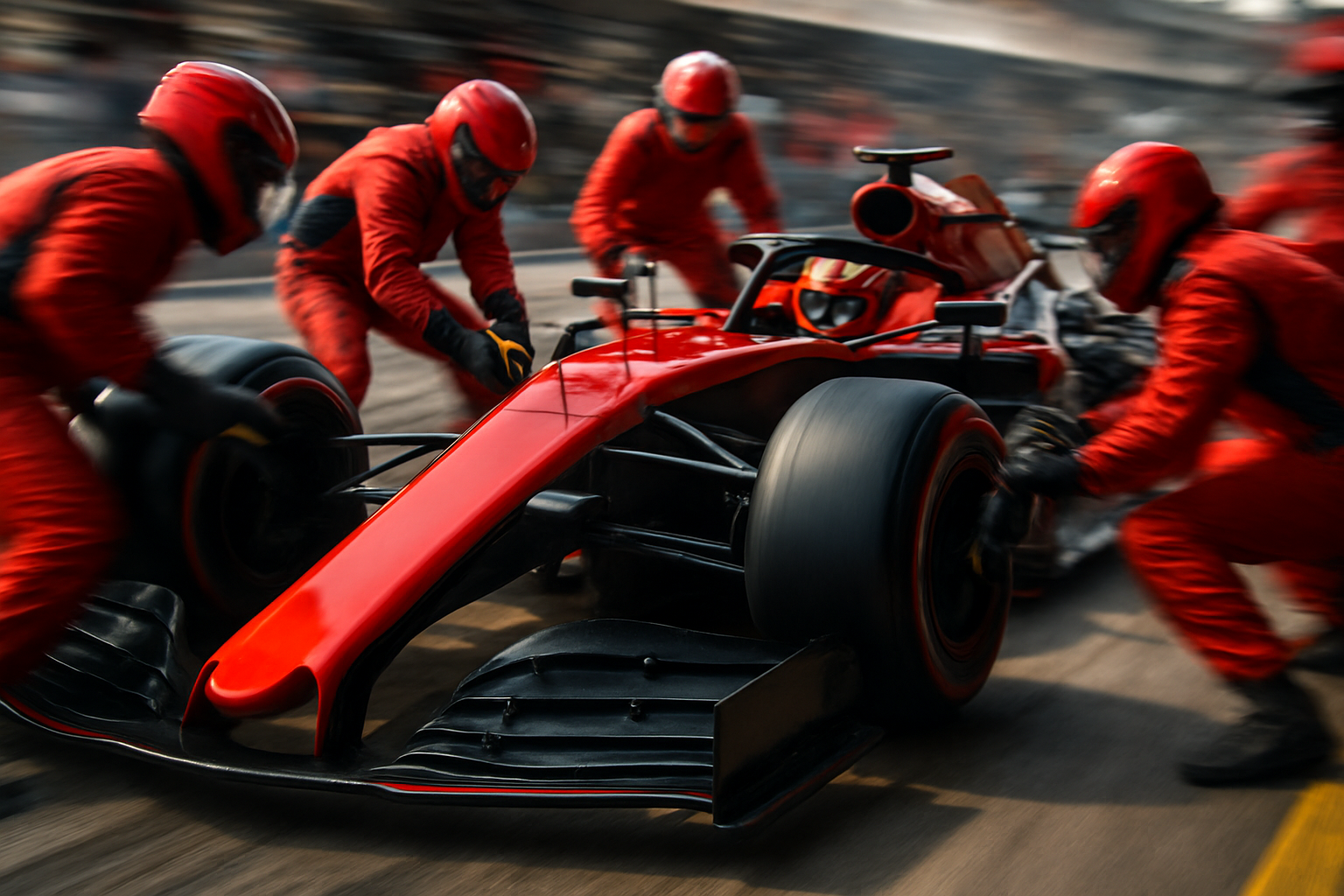
Here is the contrarian argument most bettors won't make: Las Vegas is not automatically a two-horse race between the top constructors. The circuit's characteristics — high-speed, low-downforce, traction-sensitive — have historically allowed mid-grid constructors with strong straight-line speed to punch above their weight. Teams that sacrifice mechanical grip for aerodynamic efficiency can genuinely compete here in a way they cannot at Barcelona or Silverstone.
Constructor points markets, particularly for the midfield battle — who scores more between fourth and sixth in the championship — are underpriced at Las Vegas because bookmakers and casual bettors default to assuming the top teams dominate. A well-timed double points score from a fast but inconsistent constructor can swing that market significantly. The F1 2026 season hub tracks the constructor standings in real time so you can identify which midfield teams arrive in Las Vegas with the points gap narrow enough to make the bet meaningful.
Market Timing and Bankroll Discipline
The Las Vegas Grand Prix traditionally commands premium odds volume from US-based bettors who are betting on the spectacle rather than the substance. That recreational money inflates markets in predictable ways — race winner odds on American-branded drivers or feel-good narratives will be shorter than their true probability warrants.
Open a position in the fastest lap market before FP3, when pace data is available but the market hasn't fully adjusted. Lock in podium finish bets for two or three drivers immediately after qualifying, before the post-qualifying price compression. And if you're backing a race winner, wait until 30 minutes post-qualifying when the initial sharp-money adjustment has settled but before the mainstream betting surge tightens everything further.
Don't over-stake the race winner single. Las Vegas is genuinely volatile — mechanical failures, safety cars, and tyre blow-outs have ended apparent certainties in this race before. Split your race budget across two podium markets and a fastest lap, and you'll find more value per pound risked than chasing the short-priced favourite who might be sitting in the barriers by lap 20.
Follow the 2026 Formula 1 season
Race calendars, qualifying results, championship standings and F1 betting tips — all in one place.
View Formula 1 HubRelated Articles
This article is for informational purposes only and does not constitute financial or betting advice. Always gamble responsibly. 18+ only. BeGambleAware.org