Mexico Grand Prix 2026: Altitude Betting Strategy & Circuit Guide
Master your Mexico Grand Prix 2026 F1 betting strategy with our altitude circuit guide covering tyre compounds, DRS zones, and best market picks.

Your Mexico Grand Prix 2026 F1 betting strategy lives or dies by one number: 2,285 metres. That's the altitude of the Autódromo Hermanos Rodríguez, and it warps every variable you normally rely on — downforce levels, brake temperatures, power unit performance, and tyre degradation. Ignore the altitude factor and you're effectively betting blind.
Mexico City sits in a thin-air bowl that punishes underpowered cars and rewards those with the most efficient power units and aerodynamic packages. With the 2026 regulations bringing entirely new power unit architecture — a 50/50 split between internal combustion and electrical output — the altitude effect is more pronounced than it has been in years. The pecking order you saw at Monza or Spa will not copy-paste cleanly onto the streets of the Mexican capital.
The Hermanos Rodríguez circuit itself is deceptively simple on paper: long straights, a stadium section that produces some of the most atmospheric racing in the calendar, and a tight technical complex through turns 1–3 that has ended more than a few championship dreams before the first Safety Car. Get your pre-qualifying positioning right and there is genuine value to be found across multiple markets.
How Altitude Rewrites the 2026 Technical Picture
At 2,285 metres, the air is roughly 25% less dense than at sea level. For the 2026 power units — where the electrical deployment component carries more weight than ever — that creates a specific dynamic. The combustion side suffers in thin air; turbocharged units compensate better than naturally aspirated ones, but cooling demands spike and fuel mapping strategies shift. Teams that arrive in Mexico with a conservative thermal management setup for their MGU-H equivalent will be caught out.
Aerodynamically, teams run significantly higher downforce levels than you'd expect for a circuit with long straights — the thin air reduces drag, so you can load the car without paying the usual top-speed penalty. That said, the DRS zones on the main straight and the back section are long enough that a well-timed slipstream at the end of the pit straight remains a genuine overtaking threat. Watch qualifying gaps carefully: a car that looks slow in sector two can still threaten on race day with better tyre preservation and a cleverly-timed undercut.
Brake wear is consistently extreme here. The hard braking zone into the hairpin — Turn 1 of the stadium complex — generates enormous thermal load, and in the thin air, brake cooling is compromised. Teams that struggled with brake temperatures at Baku or Singapore should be marked down slightly in your handicapping. This is not a circuit that forgives mechanical weakness.
Tyre Compound Selection and the Undercut Window
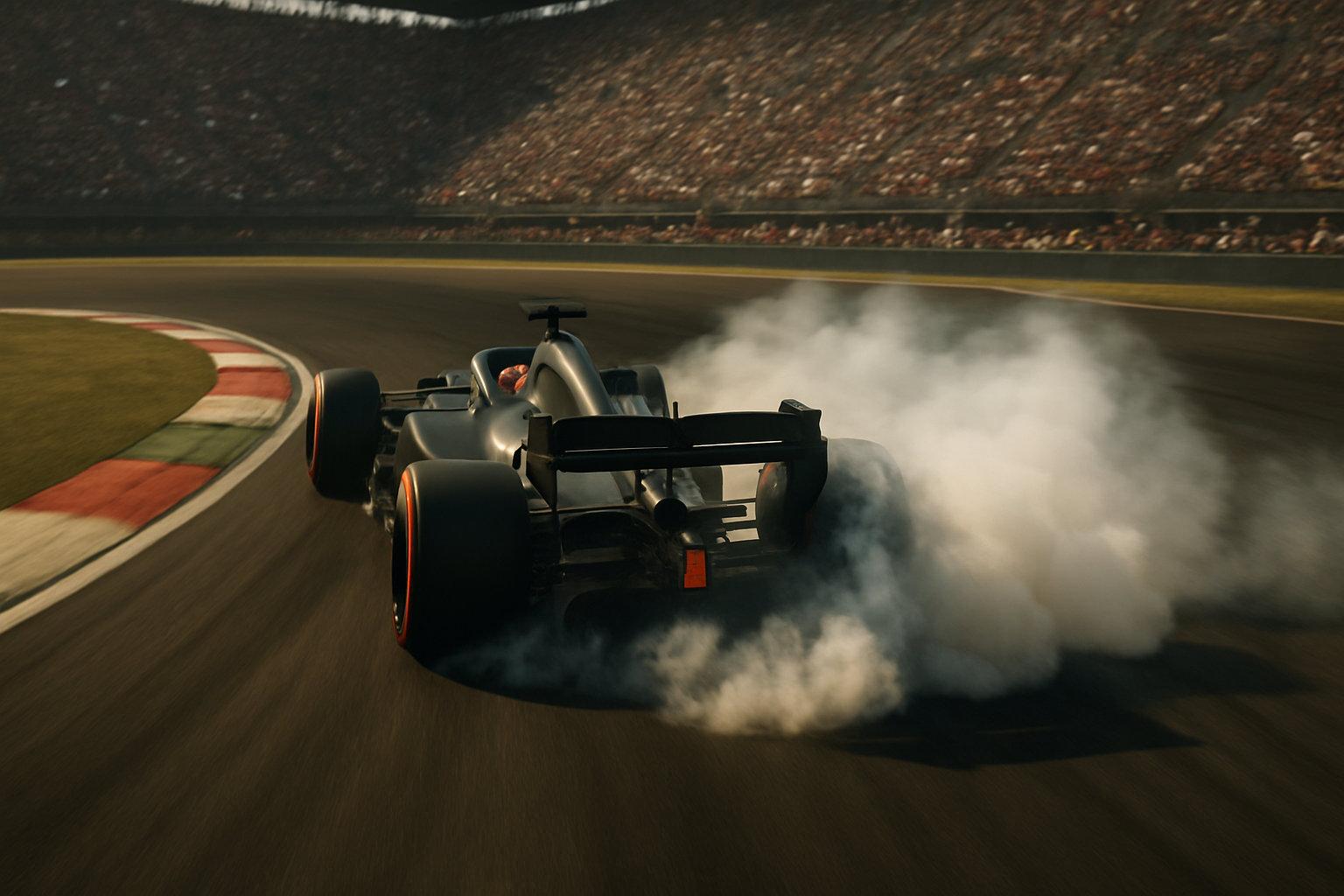
Pirelli's compound selection for Mexico typically skews towards the harder end of the range. Expect the C2, C3, and C4 compounds — or their 2026 equivalent designations — to feature, with the middle compound doing the heaviest strategic lifting. Degradation at altitude is non-linear; the first ten laps on a new set often feel controlled before the tyres drop off a cliff.
The undercut window opens early here — usually around lap 15–18 — and teams that build sufficient track position in the first stint can cover it without panic. The stop-and-go nature of the stadium complex rewards cars with strong mechanical grip, which means the soft compound plays a larger role in qualifying than its race-day relevance suggests. Don't be fooled by a car that looks rapid on softs in Q3; check how it performs on mediums in race simulations during practice.
A one-stop strategy is theoretically achievable but strategically risky. Two stops are the default, and a well-timed Virtual Safety Car — which historically appears more often in Mexico than at the smooth European rounds — can completely flip the predicted finishing order. That unpredictability is worth pricing into any race winner bet: ante-post positions taken before qualifying should be modest, with the bulk of your stake deployed once grid slots are confirmed.
Race Winner Market: Where the Value Sits
Betting on the race winner market pre-qualifying is a fool's game at any circuit, but Mexico amplifies that truth. The altitude effect can mask genuine pace differences in free practice, and the long run down to Turn 1 means pole position is not the unassailable asset it is at Monaco or Hungary.
The drivers to focus on are those who combine raw pace with strong tyre management credentials and a team history of clean strategy calls in South America. Whoever arrives in Mexico leading the constructors' championship will face added pressure — teams in title fights routinely gamble on strategy here, which creates chaos in the top four that benefits drivers further back.
The contrarian angle worth considering: mid-grid teams with efficient 2026 power units and a high-downforce baseline can overperform here in a way they simply cannot at lower-altitude circuits. If the new regulations have produced a competitive midfield — and early 2026 evidence suggests they may have — then the podium finish market offers better risk-adjusted value than hammering the outright winner. A top-three finish for a driver priced at 8/1 or longer is a more sustainable approach than chasing 5/2 on the race favourite.
For the fastest lap market, note that late-race attempts on a fresh soft compound are standard practice. Teams trailing in the constructors' standings will deploy a driver on fresh rubber in the final ten laps specifically to chase the bonus point. That makes the fastest lap market surprisingly wide open — avoid backing the race leader in that market at short odds.
Head-to-Head Driver Markets and Constructor Points Bets
Head-to-head driver markets are among the most consistent profit sources across the F1 2026 season hub. At Mexico specifically, look for pairings where one driver has a stronger record in high-altitude conditions or a demonstrably better understanding of tyre management. Historical data across multiple Mexico races can surface patterns that current-season form alone obscures.
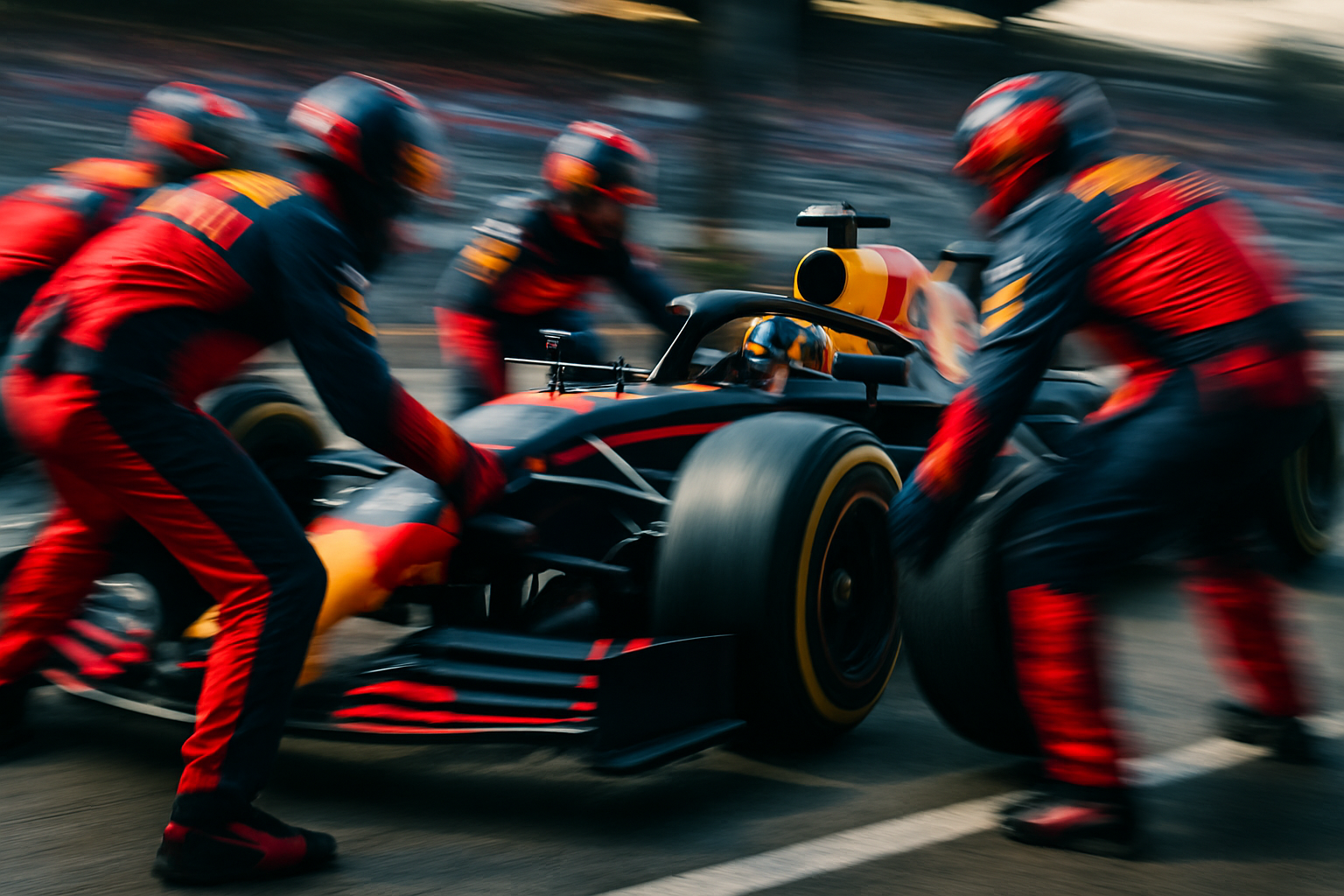
Constructor points markets are worth examining if the 2026 season has produced a tight mid-table battle. At a circuit where two-stop strategies and VSC periods frequently scramble the order, a team sitting second or third in the constructors' standings could outscore a higher-placed rival simply through faster pit crew work and more aggressive strategy. The Hermanos Rodríguez circuit rewards boldness.
When positioning any bet, use the best F1 betting sites to compare each-way terms and podium finish structures — they vary more than most bettors realise, and at a race this volatile, those marginal differences matter.
The Practical Betting Plan for Race Weekend
Friday practice at altitude is essentially a calibration exercise. Teams are validating cooling solutions and brake configurations, not showing their hand on single-lap pace. Ignore Friday lap times entirely when making pre-qualifying decisions.
Saturday qualifying is where you build your picture. Pay close attention to sector two — the technical middle section — rather than the headline pole position gap. A driver who loses half a second in sector two relative to their team-mate almost certainly has a set-up compromise that will hurt race pace more than the final grid position suggests.
On race day, the opening five laps decide more in Mexico City than almost anywhere else on the calendar. The long run to Turn 1, the dusty off-line surface through the stadium complex, and the altitude-stressed brakes create carnage potential early. Keep a live betting budget available — if the race leader suffers a first-lap incident, the replacement front-runner is frequently priced generously in the immediate aftermath before the market recalibrates.
Mexico rewards preparation, patience, and a willingness to back positions the market hasn't fully priced in yet. The altitude is the great equaliser — use it as an edge, not an excuse.
Follow the 2026 Formula 1 season
Race calendars, qualifying results, championship standings and F1 betting tips — all in one place.
View Formula 1 HubRelated Articles
This article is for informational purposes only and does not constitute financial or betting advice. Always gamble responsibly. 18+ only. BeGambleAware.org