Singapore Grand Prix 2026: Night Racing Betting Strategy & Circuit Guide
Your Singapore Grand Prix 2026 betting strategy guide — circuit breakdown, tyre tactics, top market picks, and value bets for the Marina Bay night race.

No circuit on the Formula 1 calendar punishes a setup compromise quite like Marina Bay. Your Singapore Grand Prix 2026 betting strategy has to account for that from the first click — because this street circuit doesn't just filter out underperforming cars, it exposes them mercilessly over 61 laps of walls, kerbs, and sweat-soaked humidity that can hit 80% before the lights go out.
Marina Bay is the great equaliser and the great amplifier simultaneously. Teams that arrive with a car perfectly balanced for slow-speed grip and mechanical traction can leapfrog two or three positions in the constructors' standings in a single weekend. Teams that need high-speed aero efficiency to shine — the kind built around a fast-flowing circuit like Silverstone or Spa — can look utterly pedestrian here. That asymmetry is where the betting value lives.
One hard truth before getting into specifics: betting on the race winner market before qualifying closes at Singapore is reckless. Pole position at Marina Bay carries statistical weight that almost no other circuit can match. Start from the front, control the pace, manage the Safety Car restarts — that's the Singapore template. The queue forms from P1 backwards.
What Marina Bay Actually Demands From a 2026 Car
The Marina Bay Street Circuit runs 5.063 kilometres through 19 corners, with only three designated DRS zones — shorter activation straights than you'd find at Baku or Jeddah. That limits the ability to overtake on raw power alone. The 2026 regulations have reshaped the aerodynamic philosophy across the grid, and teams carrying heavier underfloor dependency will face a specific challenge here: the bumpy surface around the Anderson Bridge section and the undulations through Turn 18 can cause significant floor flex under load, disrupting the very downforce they're counting on.
Tyre management is the other pillar. Pirelli typically assigns the C3, C4, and C5 compounds to Singapore — their softest range — because the lack of sustained high-speed loading means degradation comes from abrasion over the street surface rather than thermal overload. Cars that run hotter rear tyres structurally, regardless of pace, will struggle to extend stints in the way that a one-stop strategy demands. Watch the pre-weekend long-run data from Friday practice closely; it tells you more about Sunday's race than the Saturday headline times.
Safety Cars are not a variable here — they are a certainty. Marina Bay has triggered a Safety Car in the majority of its grands prix since 2008. Any betting position that doesn't account for a mid-race neutralisation is incomplete. That reality shapes everything from strategy windows to pit timing, and it's the single biggest reason why pre-race in-play pricing so often misprices the field during the opening laps.
Singapore Grand Prix 2026 Betting Strategy: Where the Markets Reward Patience
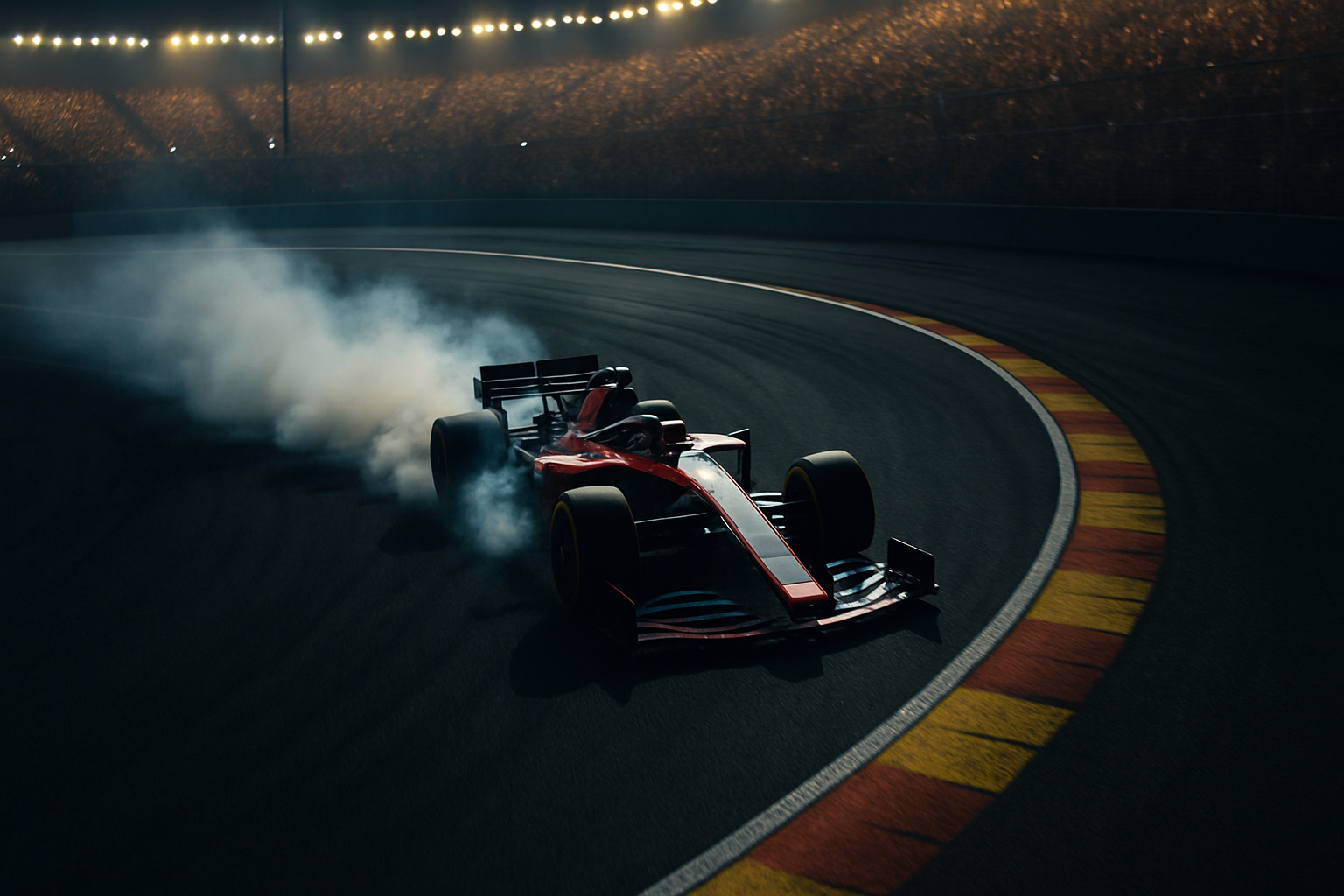
The race winner market is the least efficient market to attack pre-qualifying. The podium finish market, however, is where patient bettors extract genuine value — particularly on drivers who qualify third through fifth and benefit from Safety Car clustering. At a circuit where overtaking is structurally difficult, grid position at the restart often matters more than raw pace. A driver in fifth who pits under the Safety Car at the right moment can emerge on the podium without ever being able to pass a car on track. That's not luck — it's circuit logic, and bookmakers don't always price it correctly on Friday morning.
The fastest lap market deserves attention too, but approach it with specific criteria. Teams that trail on outright pace often send their driver out on fresh C5 tyres with two laps to go — it's a free shot at a bonus point and costs nothing strategically at a circuit where overtaking in clean air is rare anyway. Identify which constructor is most likely to be running fourth or fifth in the team standings heading into Singapore; they're usually the most motivated to chase that extra point. Lock in your fastest lap position after the second Safety Car period, when the tyre availability picture becomes clearer.
Head-to-head driver markets are underrated at street circuits. When two teammates are closely matched on overall pace but one has a demonstrably better record around technical, low-speed layouts — look at their respective performances at Monaco and Baku over the previous two seasons — the pricing gap rarely reflects that divergence accurately. Bookmakers use season-long form as a blunt instrument. Use circuit-specific data as a scalpel.
The Contrarian Case: Don't Automatically Back the Championship Leader
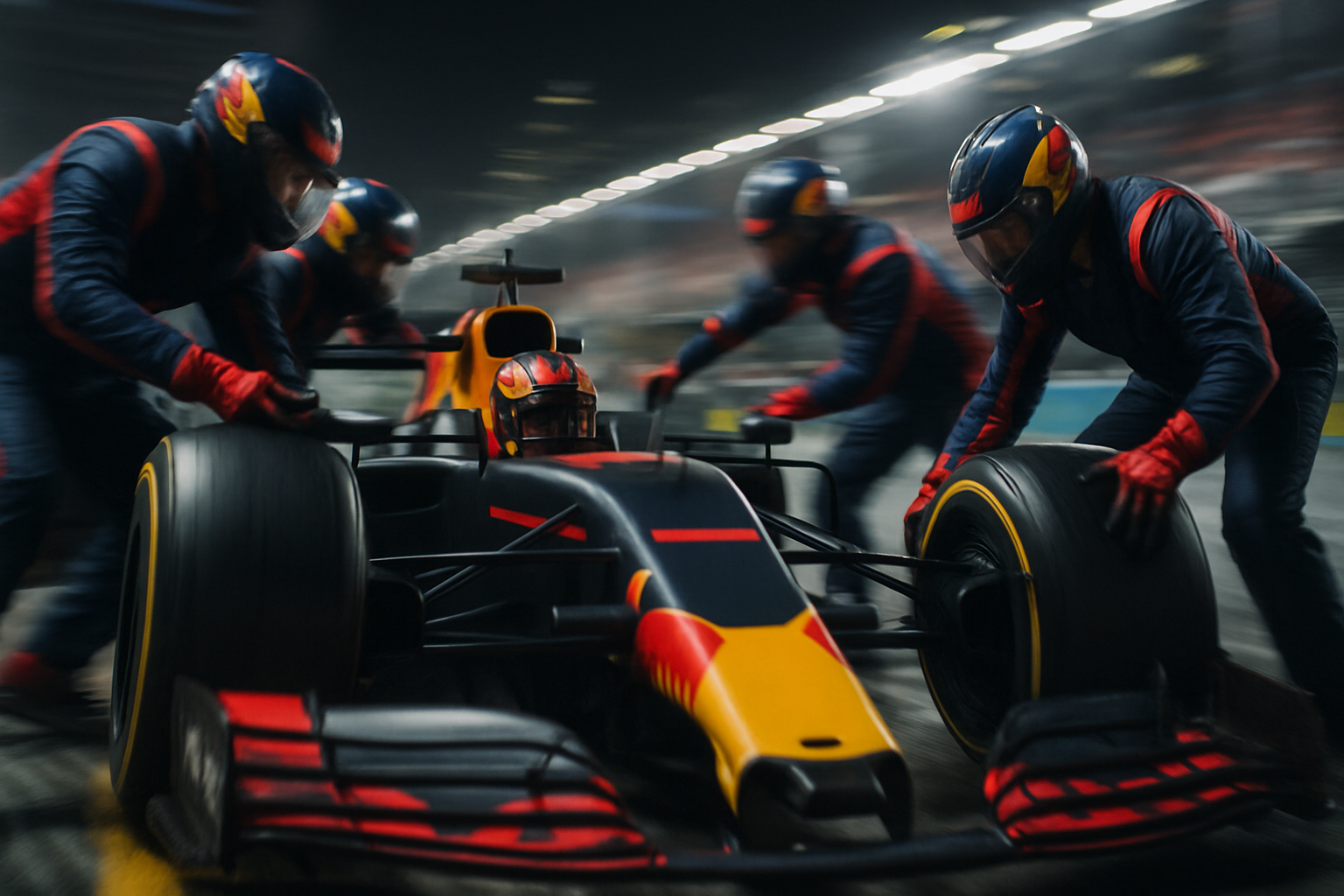
The temptation to back whoever leads the drivers' championship into Singapore is understandable but often misplaced. The championship leader arrives protecting points, not hunting them. That changes tyre strategy, changes risk appetite on Safety Car gambles, and changes how aggressively they defend track position. A driver fighting from fourth in the standings has nothing to lose and everything to gain from undercutting early and running an aggressive two-stop strategy. At a circuit where track position is almost impossible to recover once lost conventionally, the aggressive undercut option carries disproportionate race-winning potential.
There is real value in identifying which constructor has the most to prove at Singapore in 2026 — a team that underperformed the previous two rounds and arrives with a specific upgrade package targeting slow-speed mechanical grip. Singapore has repeatedly rewarded teams who nail the setup correlation between Friday sessions and race conditions. The night temperature drop — from practice to qualifying to race — is significant and can shift tyre operating windows by several degrees. Teams who model that correctly gain a genuine advantage that doesn't show up in the raw lap time data from FP1.
Practical Timing: When to Place Your Singapore Bets

Open your positions in the podium and head-to-head markets on Friday evening after FP2 long runs are complete. This is the clearest data window you'll get before qualifying compresses everything. Race winner bets should wait until after Q3 — specifically after the post-qualifying cooldown lap, when track evolution data from the final flying laps reveals which car genuinely has the race pace to match its qualifying performance.
Avoid locking into any position on the constructor points market before race morning. The Singapore weekend generates mechanical attrition at a rate that few other venues match — the heat, the kerb strikes, the safety car restart loads — and a single DNF for either car in a closely matched constructor battle swings the market violently. Pre-race pricing on constructor outcomes at Marina Bay is routinely over-confident in the favourite.
Use the best F1 betting sites to compare podium finish odds across multiple books before committing — the spread between platforms on third and fourth grid starters at Singapore can be significant. And track the broader 2026 campaign through the F1 2026 season hub to maintain context on which constructors are carrying momentum into the night race.
Marina Bay rewards precision — in driving, in strategy, and in betting. The bettors who win here aren't the ones who pick the fastest car. They're the ones who understand that at this circuit, fastest rarely means first.
Follow the 2026 Formula 1 season
Race calendars, qualifying results, championship standings and F1 betting tips — all in one place.
View Formula 1 HubRelated Articles
This article is for informational purposes only and does not constitute financial or betting advice. Always gamble responsibly. 18+ only. BeGambleAware.org